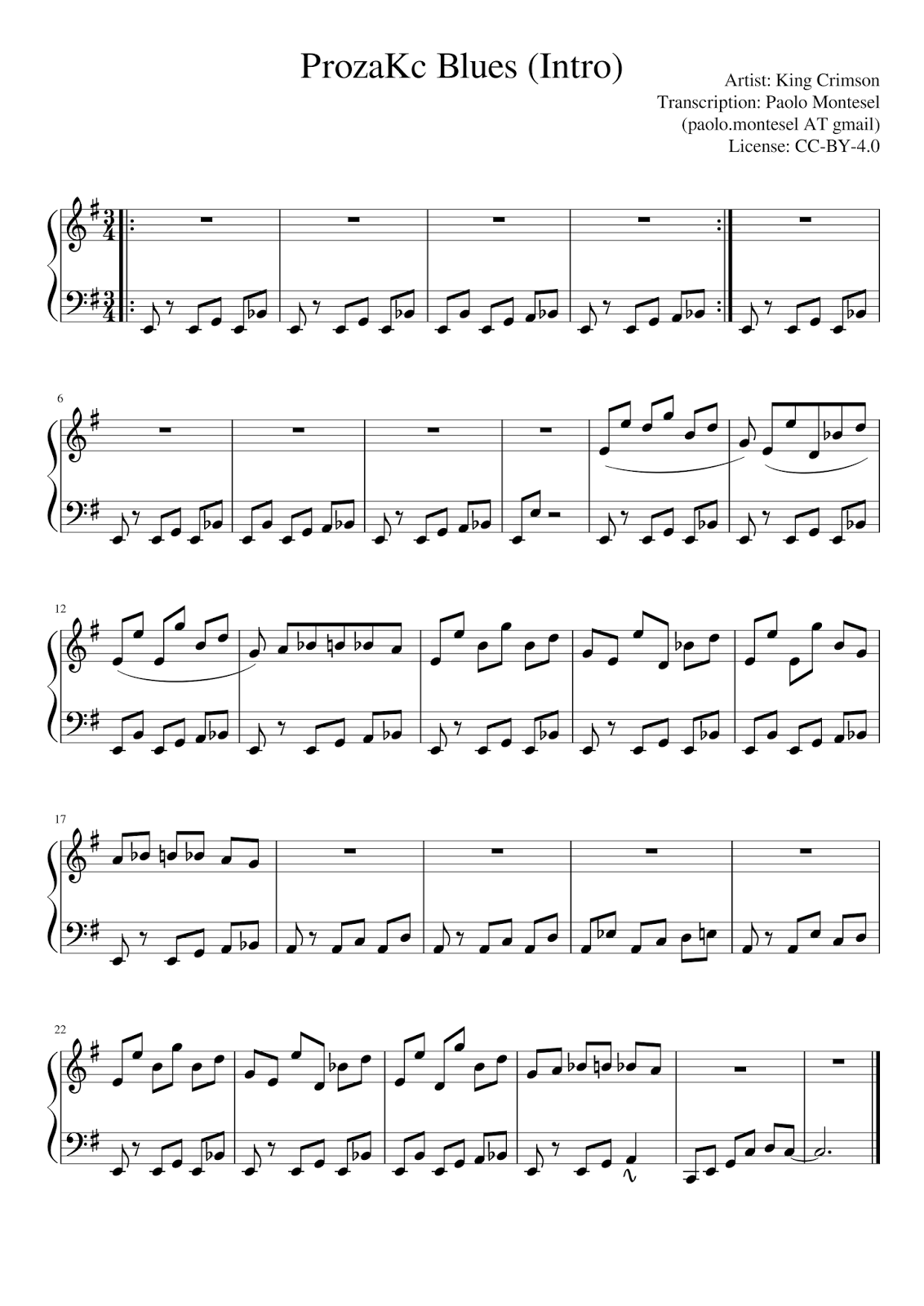
The transcription is written for the piano. Here is a PNG version of it:
License: Creative Commons - Attribution 4.0 International
import bpy

sound_speed = 343.0

obj = bpy.context.active_object
edges = obj.data.edges
vertices = obj.data.vertices
matrix = obj.matrix_world.copy()

mm = 0.0
for ee in edges:
    vv = ee.vertices
    v1 = matrix * vertices[ee.vertices[0]].co
    v2 = matrix * vertices[ee.vertices[1]].co
    mm = max((v1-v2).length, mm)

max_freq = sound_speed / (6 * mm)

print("Longest edge's length: %f"%mm)
print("fmax: %f"%max_freq)

 The image is pretty self-explanatory but I’m gonna explain it anyway:
 1:
1: 1:
1:
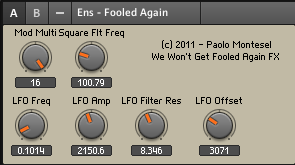 The “Mod Multi” knob value is totally wrong because the last time I opened this patch I played a bit with it ;).

./mergeMap.py <blahblah/ZoomN> <output.ext>Where "ext" can be any format supported by Python's PIL library (so PNG & JPG for sure).


You must then link the executable to libpng, libjpeg and libfltk2_images passing "-lpng -ljpeg -lfltk2_images" to the compiler.
#include "myMainWindowWithBackgrounImage.h"
#include <fltk/SharedImage.h>
#include <fltk/run.h>

int main()
{
    fltk::register_images();
    myMainWindowWithBackgroundImage win;
    win.show();
    return fltk::run();
}


